Understanding the Different Kinds of Heating And Cooling System for Optimum Performance
Understanding the different sorts of HVAC systems is essential for home owners intending to enhance comfort and power effectiveness. Central air systems provide consistent temperature level control, while ductless mini-split systems provide adaptability. Heat pumps provide efficient year-round climate monitoring. For smaller sized areas, home window and mobile air conditioning system serve as functional remedies. Geothermal systems utilize consistent below ground temperature levels for sustainable heating & cooling. Each option holds one-of-a-kind advantages, triggering a better examination of which may suit individual demands best.
Central Air Conditioning Solutions
Many house owners seek ways to improve interior convenience, understanding main air conditioning systems is crucial for effective climate control. Central air operates by flowing awesome air through a system of ducts, dispersing it uniformly throughout the home. This kind of system contains several essential elements, including an outdoor compressor, an indoor evaporator coil, and a network of ductwork.
The compressor cools down refrigerant, which after that soaks up warmth from indoor air as it goes through the evaporator coil. This cooled down air is pushed via the air ducts and right into living areas, assuring a consistent temperature level. Air conditioning systems are known for their efficiency, typically using programmable thermostats to optimize power use. Routine upkeep, such as filter changes and system checks, is vital to ensure long life and performance. Understanding these elements aids property owners make educated decisions pertaining to installation and upkeep, inevitably enhancing convenience and energy performance in their homes.

Ductless Mini-Split Equipments
Ductless mini-split systems supply an adaptable choice to traditional main air conditioning, accommodating home owners looking for reliable environment control without the demand for comprehensive ductwork. These systems include an exterior compressor device and one or more indoor air-handling devices, permitting targeted cooling and heating in particular areas or spaces. This zoning ability improves comfort by allowing individuals to adjust temperature levels based upon private preferences, ultimately causing power financial savings.
Setup is normally easier and less invasive contrasted to ducted systems, which can be beneficial for older homes or areas with minimal architectural adjustments. Furthermore, ductless mini-split systems frequently feature energy-efficient modern technologies, such as inverter-driven compressors, which maximize power intake based upon demand. Their compact layout additionally permits various positioning choices, making them excellent for limited or non-traditional areas. Therefore, ductless mini-split systems have obtained popularity amongst property owners looking for modern-day, reliable heating and cooling solutions.
Warmth Pumps
Warmth pumps represent a flexible and energy-efficient choice for both home heating and cooling down residential areas. These systems run by moving warm as opposed to generating it, making them specifically efficient in modest environments. During warmer months, heatpump draw out heat from inside your home and release it outside, giving cooling. Conversely, in winter months, they reverse this process, attracting warm from the outdoors air or ground to warm the inside.
There are two main types of heat pumps: air-source and ground-source (or geothermal) Air-source warmth pumps are more typical due to their easier installment and lower preliminary expense, while ground-source designs flaunt higher effectiveness and security in performance. Furthermore, warmth pumps can notably decrease power bills and carbon impacts when contrasted to conventional home heating approaches, making them an eco-friendly option. Generally, heatpump stand as a compelling option for homeowners looking for efficient climate control throughout the year.
Home Window and Portable Air Conditioners

On the various other hand, mobile air conditioners offer flexibility, as they can be quickly relocated from space to area. These units commonly call for an airing vent set to tire warm air via a home window, yet they give a convenient alternative for temporary cooling requirements.
Both kinds of air conditioning unit appropriate for renters and those seeking to stay clear of extensive installation procedures. Customers should consider factors such as BTU ability, power performance scores, and noise levels when picking a system to ensure peak efficiency for their specific area and cooling requirements.
Geothermal Heating & Cooling Solutions
As energy performance comes to be increasingly vital, geothermal heating & cooling systems have gained popularity for their lasting method to climate control. These systems use the stable temperature levels discovered below ground to supply heating in wintertime and cooling in summer season. By taking advantage of the earth's all-natural thermal energy, geothermal systems significantly reduce dependence on fossil fuels and reduced utility prices.
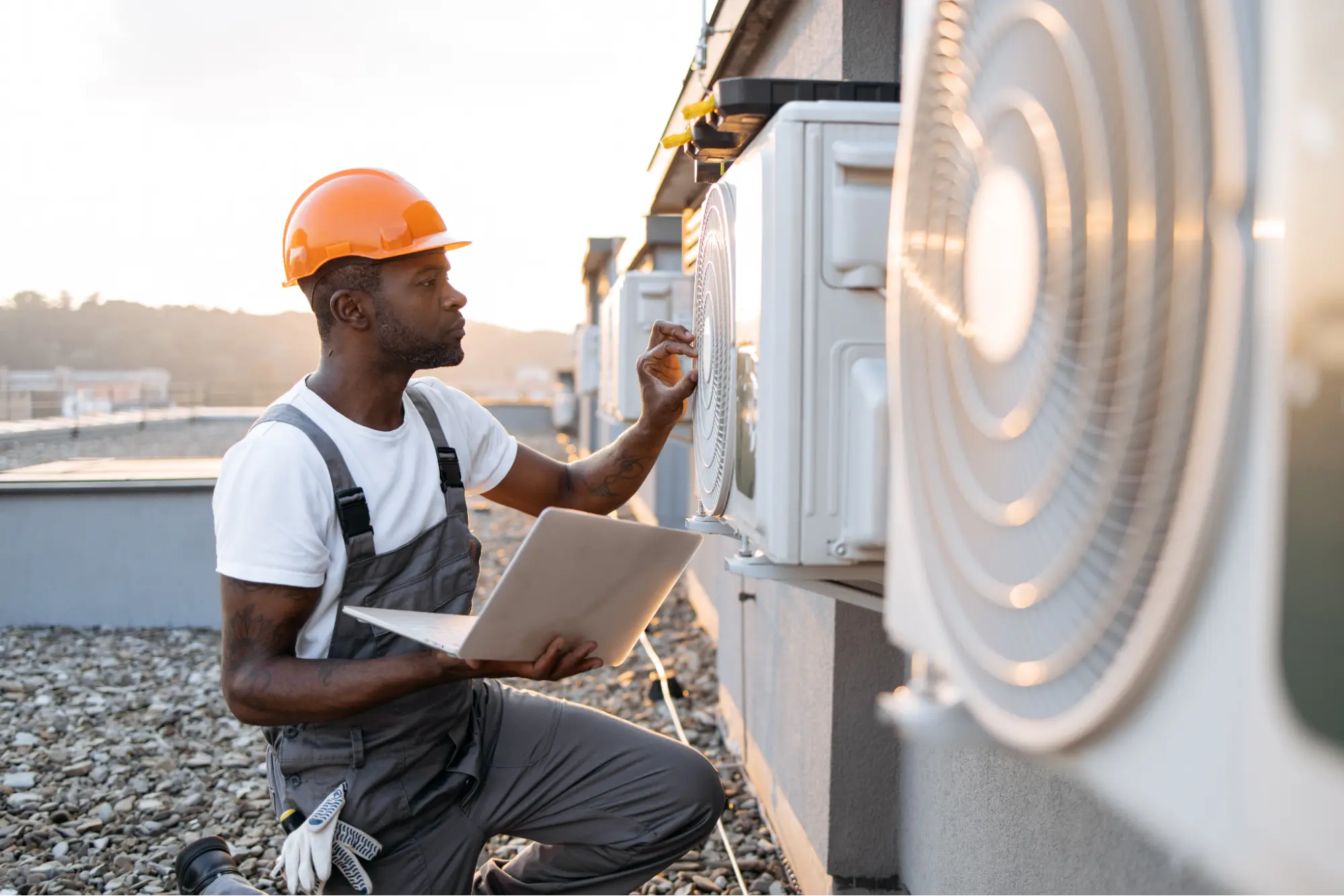
Furthermore, geothermal systems typically need much less maintenance contrasted to traditional cooling and heating systems, resulting in long-term financial savings - HVAC experts. With boosting recognition of environment adjustment, these systems represent a forward-thinking service for those seeking effective and green heating and cooling options
Frequently Asked Questions
How Typically Should I Service My Heating And Cooling System?
A/c view it systems must ideally be serviced twice a year, once in the spring and once in the loss. Regular upkeep assists ensure performance, extends life expectancy, and protects against costly failures during height usage seasons.
What Size A/c System Do I Need for My Home?
Identifying the suitable size for a heating and cooling system calls for computing the home's square footage, insulation top quality, and environment. A professional analysis warranties optimal performance, convenience, and energy cost savings tailored to the details requirements of the residence.
Can I Mount a Cooling And Heating System Myself?
Setting up a heating and cooling system separately is feasible, but it calls for technical knowledge and abilities. Mistakes can bring about ineffectiveness or safety and security dangers, so seeking advice from a professional is frequently advised to ensure correct setup and compliance with guidelines.
What Are the Signs My Heating And Cooling System Demands Repair Service?
Indicators that a heating and cooling system needs repair consist of unusual noises, irregular temperatures, boosted energy expenses, undesirable odors, and regular biking. Prompt interest to these indications can stop more damage and assurance optimal system performance.
Just How Can I Enhance My a/c System's Power Efficiency?
To enhance cooling and heating power efficiency, one ought to on a regular basis replace filters, seal ducts, set up a programmable thermostat, guarantee correct insulation, and schedule regular maintenance checks. HVAC experts. These activities collectively improve efficiency while minimizing power consumption and prices
Central air conditioning systems supply consistent temperature control, while ductless mini-split systems supply adaptability. Central air conditioning runs by circulating great air through a system of ducts, dispersing it evenly throughout the home. Central air conditioning systems are recognized for their effectiveness, usually utilizing programmable thermostats to optimize energy use. Ductless mini-split systems use a flexible choice to conventional main air conditioning, providing to homeowners seeking reliable environment control without the requirement for considerable ductwork. Geothermal systems typically require less maintenance contrasted to typical Cooling and heating systems, resulting in lasting financial savings.